











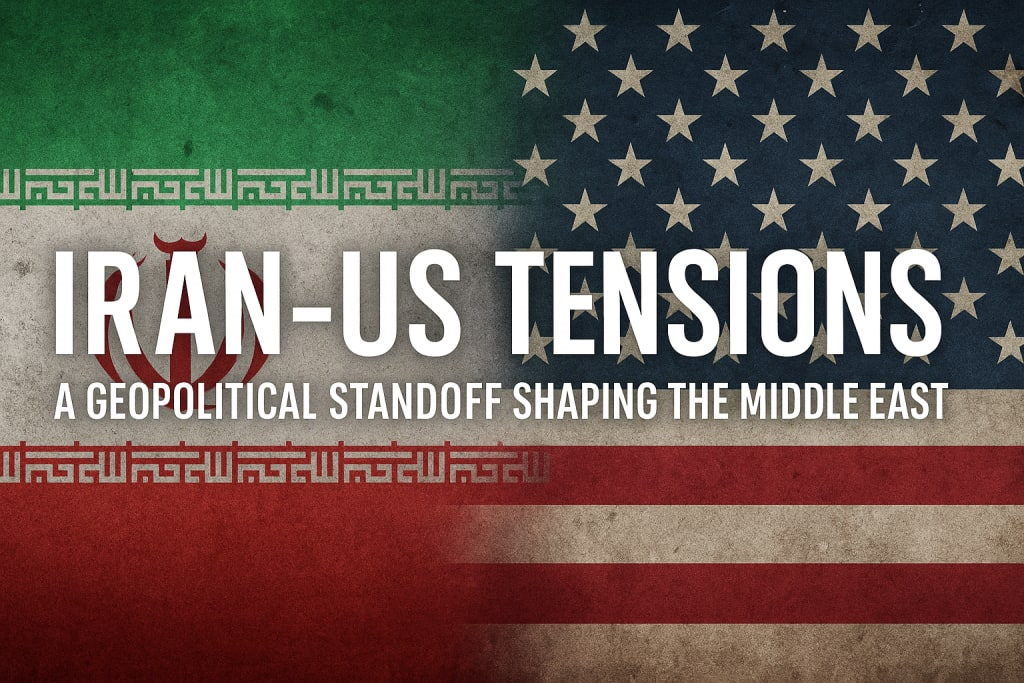
In recent weeks, the United States has been involved in a major military conflict with the country of Iran, raising global concerns and making headlines around the world.
The conflict began on February 28, 2026, when the U.S., alongside its ally Israel, launched airstrikes targeting Iranian military and nuclear facilities. According to reports, the attacks were part of an effort to weaken Iran’s military capabilities and limit its ability to develop nuclear weapons.
In response, Iran launched missile and drone strikes at U.S. bases and allied targets across the Middle East, escalating the situation into an active conflict.
Recent news reports say the conflict has now lasted over a month, with thousands of military targets hit and ongoing fighting in the region. Officials, including U.S. leaders, have suggested that the war could end soon, though no final agreement has been reached.
The conflict has also affected people beyond the battlefield. Rising oil prices and economic concerns have been felt around the world, including in the United States. Additionally, public opinion in the U.S. shows that many Americans are concerned about the war and do not support sending ground troops.
Protests have taken place in multiple countries, including the United States, with people expressing different opinions—some supporting the military action and others calling for peace.
Why This Matters to Students
Although the conflict is happening far from home, it can still impact students’ lives. Global conflicts can affect gas prices, the economy, and even future government decisions. It also highlights the importance of staying informed and understanding how international events shape the world.
Looking Ahead
As of now, leaders say there may be a possible end to the conflict in the near future, but the situation remains uncertain. Students are encouraged to follow reliable news sources and discuss current events thoughtfully with classmates.
Additional Resources: